
How Contemporary Art Reflects Our World
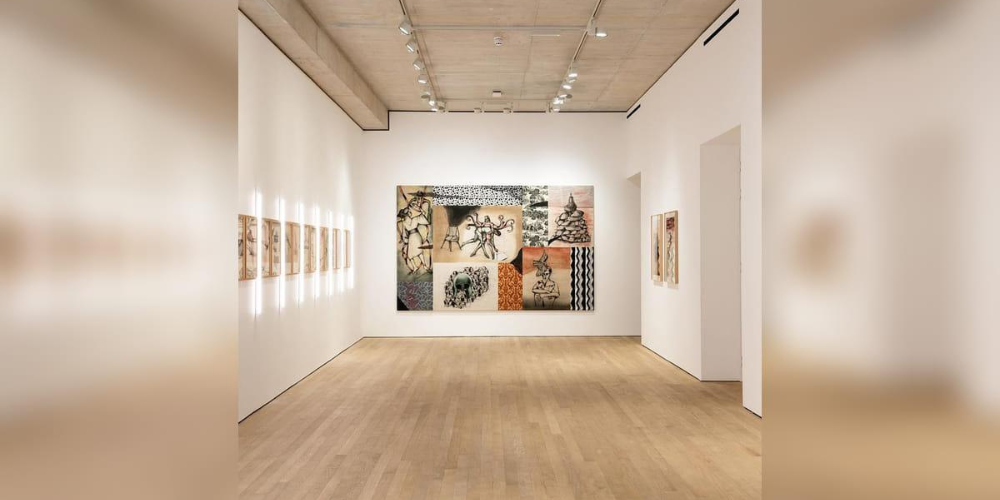

Art has always been a reflection of the time in which it is created. From ancient paintings and sculptures to contemporary installations and digital works, artists have found ways to respond to the world around them.
Contemporary art continues this tradition, but often in unexpected and experimental ways. It allows artists to explore the questions, challenges and experiences that shape our lives today.
Contemporary artists often respond to subjects that are part of everyday life. Identity, culture, migration, technology, climate change, politics, memory and social inequality are just some of the themes that appear in contemporary artistic practices.
An artwork may not always provide a direct answer to a social question. Instead, it can encourage us to pause and think.
A painting can make us reconsider the way we see our surroundings. A sculpture can represent a memory or cultural experience. An installation can place visitors inside an environment that encourages them to look at a familiar issue differently.
In this way, art becomes more than an object to be viewed. It becomes part of a larger conversation.
Artists often observe changes taking place within their communities and surroundings. Their personal experiences can become the starting point for a larger artistic idea.
For example, an artist growing up in a rapidly changing city may explore the relationship between old neighbourhoods and modern development. Another artist may use family photographs, traditional objects or personal memories to explore questions of identity and belonging.
These individual stories can connect with wider experiences.
This is one of the strengths of contemporary art: a deeply personal work can create a meaningful connection with people who come from completely different backgrounds.
One of the important roles of art is its ability to bring people together.
An exhibition creates a shared space where artists, visitors, collectors, students, curators and communities can meet. Different people may interpret the same artwork in completely different ways.
There may not be one correct interpretation.
A visitor may see a painting as a reflection of nature, while another may see it as a comment on environmental change. Both responses can become part of the conversation surrounding the artwork.
This openness makes contemporary art an important space for dialogue.
The world around us is constantly changing. New technologies are influencing how we communicate. Cities are developing rapidly. Environmental concerns are becoming increasingly important. Communities are also reconsidering ideas around identity, culture and belonging.
Artists respond to these changes through their practices.
Some work with traditional materials, while others experiment with photography, video, digital media, sound or large-scale installations. The medium may change, but the intention remains connected to the artist’s desire to understand and communicate something about the world.
Art centres, galleries and cultural institutions play an important role in creating spaces for these conversations.
By presenting different artists and perspectives, they help audiences discover ideas that they may not encounter in their everyday lives.
At Indus Art Centre, we believe that art can create connections between people, ideas and communities. Through exhibitions, conversations, educational programmes and cultural initiatives, we aim to create opportunities to experience art not only as something to look at, but as something to engage with.
The value of contemporary art is not always measured by how quickly we understand it.
Sometimes, the most meaningful artwork is the one that makes us stop and ask questions.
What does this artwork say about the world we live in?
Why did the artist choose this subject?
How does it relate to our own experiences?
Can art influence the way we think about society?
These questions are part of the experience.
Contemporary art reminds us that creativity can be a powerful way of observing, questioning and understanding the world.
At Indus Art Centre, we believe art has the power to inspire dialogue, connect communities and create meaningful social impact.
