
Understanding Contemporary Indian Art
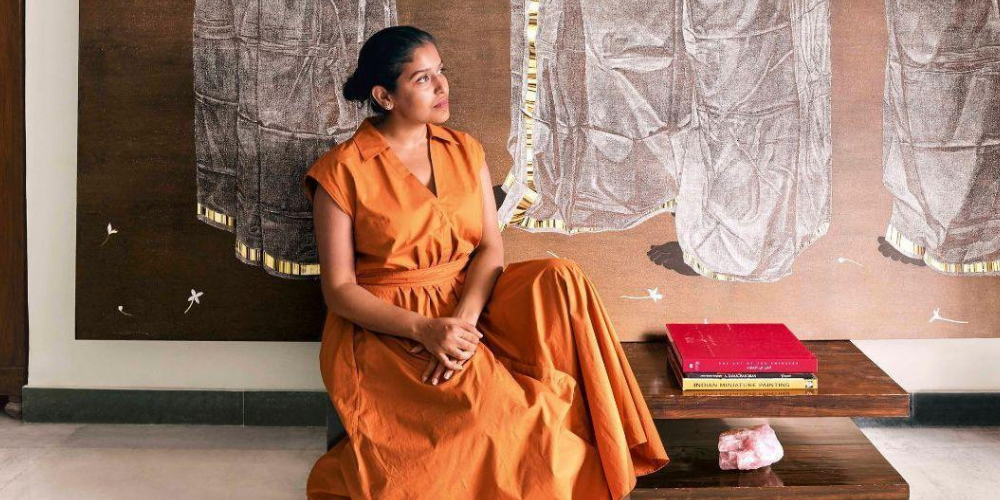

Starting an art collection can seem intimidating at first.
There are artists to discover, different styles to understand, galleries to visit and many practical factors to consider. But collecting art does not have to begin with a large budget or extensive knowledge.
For many collectors, it begins with something much simpler:
They see an artwork they love.
From that first connection, curiosity grows.
The first step in collecting art is understanding what you personally respond to.
Do you enjoy paintings, sculptures, photography or mixed-media works?
Are you attracted to abstract art or figurative works?
Do you find yourself interested in landscapes, portraits, cultural themes or contemporary social issues?
There is no correct answer.
Your collection should reflect your interests and personality rather than simply following what is currently popular.
One of the best ways to develop your understanding of art is to see artworks in person.
Visit galleries, exhibitions, museums and art fairs whenever possible.
Seeing an artwork physically can be very different from seeing a photograph online. You can experience its scale, texture, material and details more clearly.
Take your time.
You do not need to buy something every time you visit an exhibition. Simply looking and learning is an important part of becoming an informed collector.
Before purchasing an artwork, spend some time learning about the artist.
Read about their background, artistic practice and previous exhibitions.
Look at other works created by the artist. Try to understand the ideas and themes that appear repeatedly in their practice.
This does not mean you need to become an art historian.
Even a basic understanding of the artist can make the experience of owning an artwork more meaningful.
When considering a purchase, look beyond the appearance of the artwork.
Think about the medium.
Is it oil on canvas, acrylic, watercolour, sculpture, photography or another medium?
Consider the size and where you might display it.
Think about the condition of the artwork and whether it comes with appropriate documentation.
For established works, provenance and exhibition history may also be important.
You do not need to spend a large amount of money to begin collecting art.
Set a budget that is comfortable for you and explore artists and works within that range.
It can be useful to decide how much you are willing to spend before visiting a gallery or art fair.
A clear budget can help you focus on discovering artworks rather than feeling pressured to make an expensive purchase.
Investment potential can be one consideration when collecting art, but it should not be the only one.
Art is something you live with.
You may see it every day in your home, office or personal space.
Ask yourself:
Would I still enjoy this artwork if its market value never changed?
If the answer is yes, you may have found something meaningful.
The emotional and intellectual connection you have with an artwork is an important part of the collecting experience.
Before purchasing an artwork, consider where it will be displayed.
Measure the available wall or floor space.
Think about lighting, surrounding furniture and the relationship between the artwork and the room.
A beautiful artwork can completely change the character of a space.
For larger works, installation requirements may also need to be considered.
When purchasing an artwork, keep all relevant documentation safely.
Depending on the artwork and artist, this may include:
Keeping proper records can be useful for future reference and helps maintain the history of your collection.
There is no need to build a large collection immediately.
A thoughtful collection can develop over many years.
You may begin with one painting and later discover an artist whose work inspires you. Over time, you may develop connections between different artists, mediums and ideas.
The collection becomes a reflection of your own journey through art.
Perhaps the most important thing to remember is that collecting art is a personal journey.
There is always something new to discover.
New artists emerge. Established artists develop new directions. Exhibitions introduce different ideas and perspectives.
Stay curious.
Ask questions.
Visit exhibitions.
Talk to artists, galleries and other collectors.
Most importantly, allow yourself to enjoy the process.
At Indus Art Centre, we believe that art should create meaningful connections between people, ideas and spaces.
Whether you are considering your first artwork or developing an existing collection, every collection begins with the simple act of discovering something that speaks to you.
Start with curiosity. Collect with intention. Live with art.
